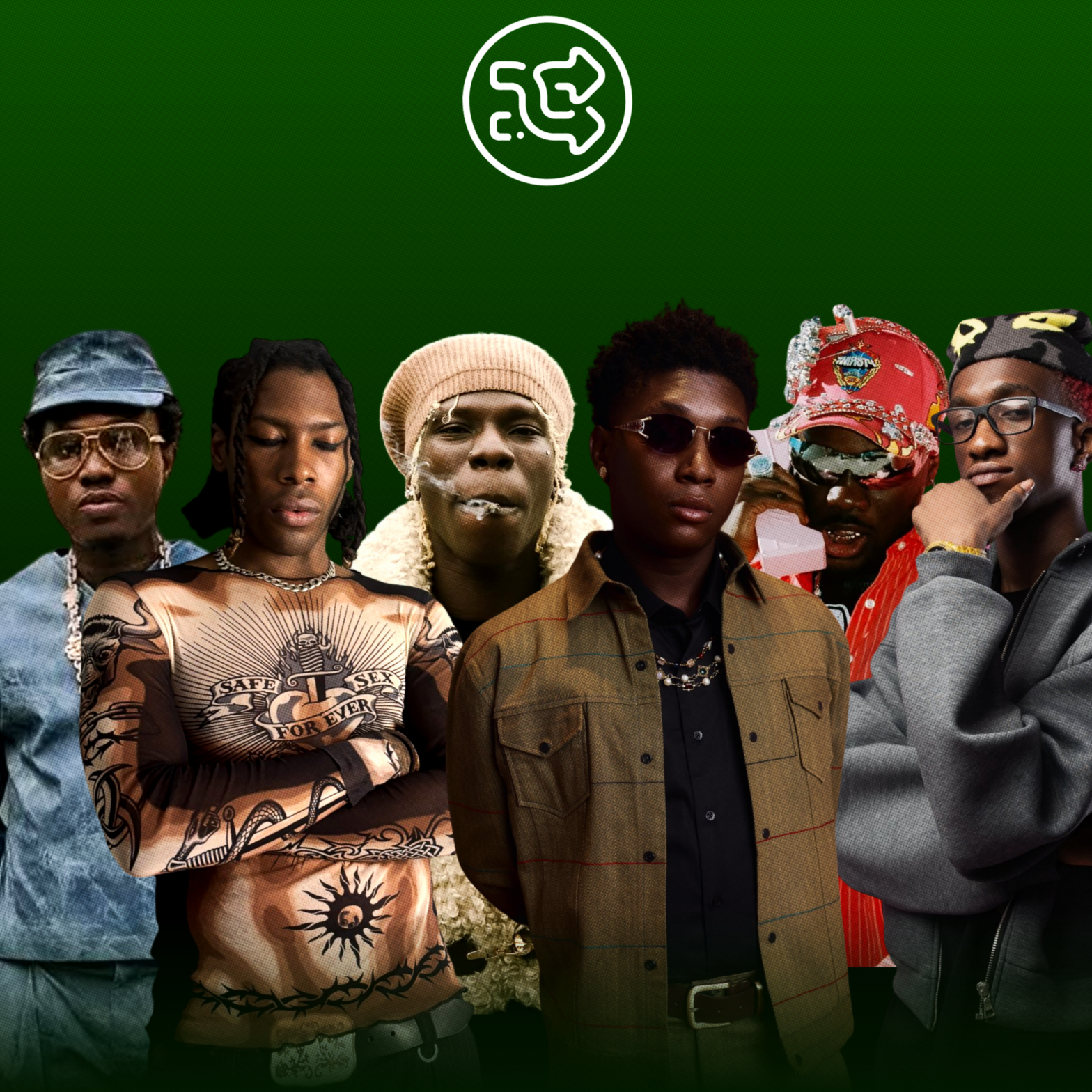
By: Abdulmuqsit Idowu The Alté scene in Nigeria has long been recognized for its distinctiveness — driven by individuality, experimentation, and exciting aesthetics. From sound to visuals, it’s a movement built on creative freedom and a rejection of mainstream formulas. In contrast, Street-hop has typically been rooted in the grassroots — raw, energetic, and often seen as unpolished. For years, the two scenes existed in parallel, occupying different spaces in sound, audience, and identity. However, a noticeable shift is underway. The distance between both worlds is closing fast, and in its place, a wave of creative crossovers is forming. The streets are embracing Alté’s fashion and visual language, while Alté acts are exploring the rhythm and energy of the street. What was once perceived as an unlikely partnership is now becoming one of the most exciting fusions in contemporary Nigerian music. Take 2023’s “Show Me The Way” where Cruel Santino joined forces with Poco Lee — a pairing that once seemed improbable now feels necessary. Odumodublvck’s “Dog Eat Dog II” remix featuring Cruel Santino & Bella Shmurda turned heads and ears alike, a blueprint for what genre-blending could sound like. In 2024, Straffitti and Zlatan Ibile collided on “Maria,” a song that carried both street grit and alternative sparkle. Even more is on the horizon — a revamped version of Mavo & Wave$tar’s“Escaladizzy” featuring Zlatan promises to push the envelope further. But this cross-pollination isn’t confined to music alone. The synergy bleeds into fashion and cultural events. Alté aesthetics now echo in the visuals of Street-hop’s biggest names — from Asake to Seyi Vibez, Rybeena to TML Vibez. Balloranking’s stream with Cruel Santino symbolized more than a digital moment; it marked a cultural handshake. We see it in the clothes, the edits, the performances — the line between the unrefined and the unconventional is now deliciously thin. Once seen as a class divide — the elitism of Alté versus the rawness of the streets — these scenes have begun to find common ground. And that ground is fertile. In this collision, there’s no loss of identity, only reinvention. The result? A new kind of cultural renaissance, where borders fall away and expression flows freely. Even fan culture is evolving. Audiences that once aligned exclusively with one camp are now more open to discovering sounds and aesthetics from the other. Social media and streaming platforms have made genre discovery more fluid. Cultural events, underground showcases, and digital activations are increasingly blending these communities, and that cross-pollination is deepening the impact of the movement. This cultural fusion speaks volumes about where Nigerian music is headed , a more collaborative, boundaryless space where creative freedom reigns over genre loyalty. The Alté and Street-hop collision is no longer a trend. It’s a transformation and it’s changing the face of Nigerian music in real-time.